Access medical knowledge anytime with our new app, now on the App Store and Google Play.

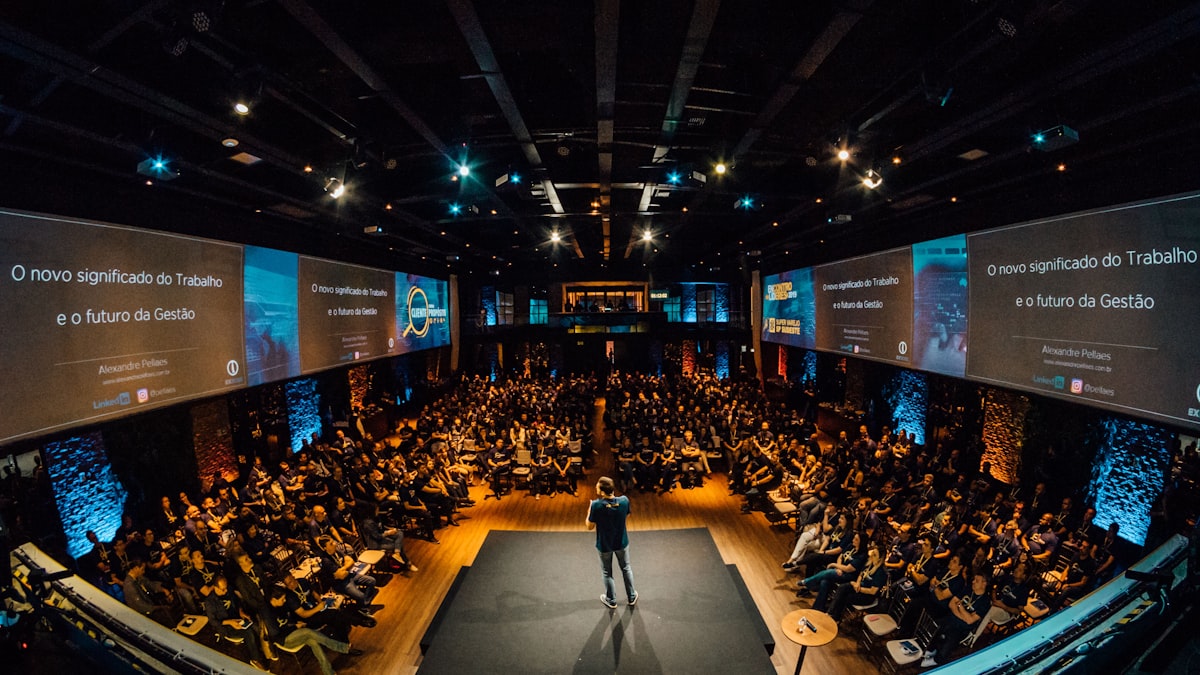
Good education costs money. Anyone unwilling to fund medical conferences through registration fees ends up at sponsoring — and with it, a tricky question: how much closeness is acceptable?
Without sponsoring, education gets expensive or gets cancelled. With sponsoring, suspicion of influence creeps in. Both damage credibility — one through absence, the other through proximity.
The decisive point isn't whether sponsors show up — it's where. A digital exhibitor space is not the same as a slide in the middle of a talk. Drawing the line technically, instead of negotiating it every time, means not having to defend it at every single event. From industry's side, it's the same logic as the shift from push to pull.
Sponsors want to know what their contribution achieved. Detailed reporting answers that — without granting influence over content. Transparency is the currency that buys independence.
Sponsoring isn't a flaw, it's a funding model. Whether it damages credibility isn't decided by the amount — it's decided by the architecture. The administrative side runs through CME automation anyway.