Access medical knowledge anytime with our new app, now on the App Store and Google Play.
The most common form of digital medical education is still the streamed lecture: one person talks, many listen, two questions get asked at the end. It's convenient — and the weakest format from a learning-science standpoint.
Knowledge sticks when it's applied, discussed and challenged. All of that disappears in a frontal format. The result is high registration numbers with low engagement — and little that actually reaches daily practice.
Standard video conferencing tools lack exactly these features — why Zoom and Teams aren't a CME platform.
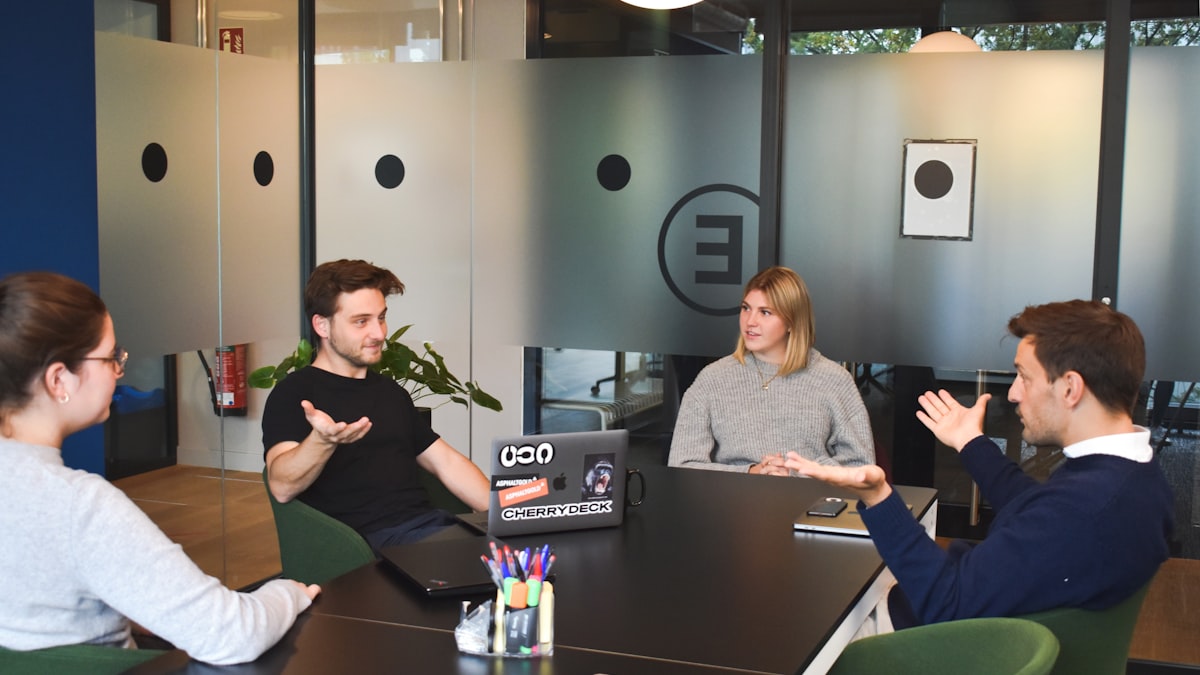
Exchange with colleagues is often worth more than the talk itself. Learning how another hospital handles the same case teaches more than any slide. A healthcare engagement platform can deliver that — if it's built for it.
Interaction has to be planned, not hoped for. Anyone designing a course should decide in advance where the audience gets involved — and who moderates that involvement.
Critical, practical and social learning aren't buzzwords — they're three conditions, and the reason CME often fails against reality.